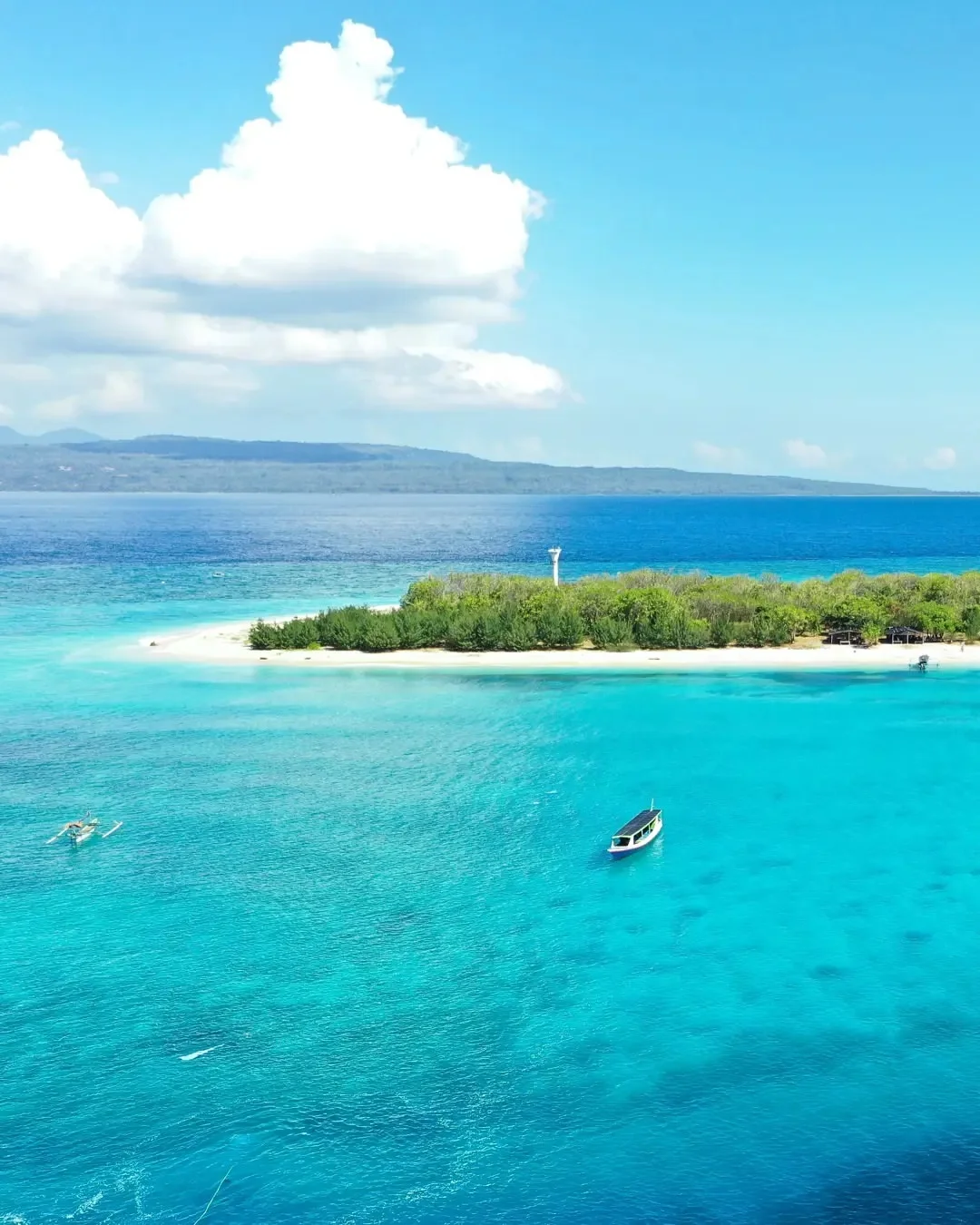
Eastern Reef Slope
A steep underwater drop-off home to branching Acropora corals and vibrant reef fish populations.
Swim along the eastern edge during the morning for highest clarity.

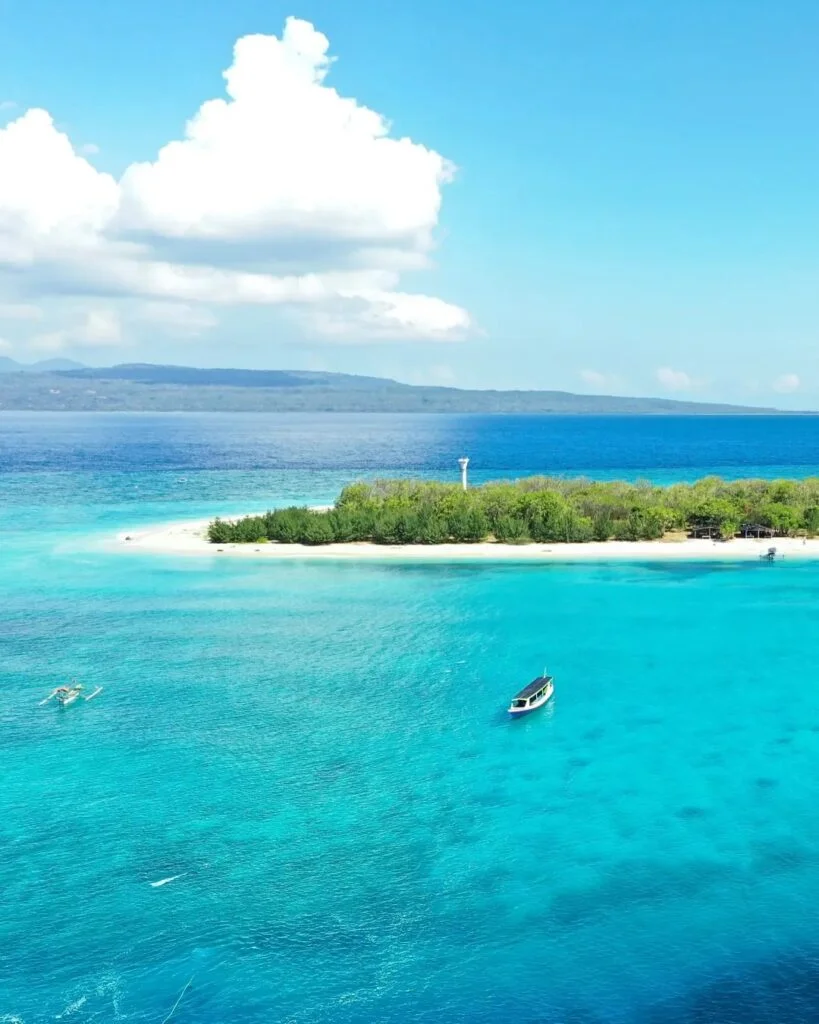
Pulau Tabuhan sits off the Wongsorejo coast in the Bali Strait, reachable only by boat from the fishing village of Bengkak. This Snorkeling Banyuwangi Dimana guide pins the launch point, the island itself, and the morning window that makes the crossing worthwhile. Where tempat snorkeling di Banyuwangi actually begins is a beach, not a gate.
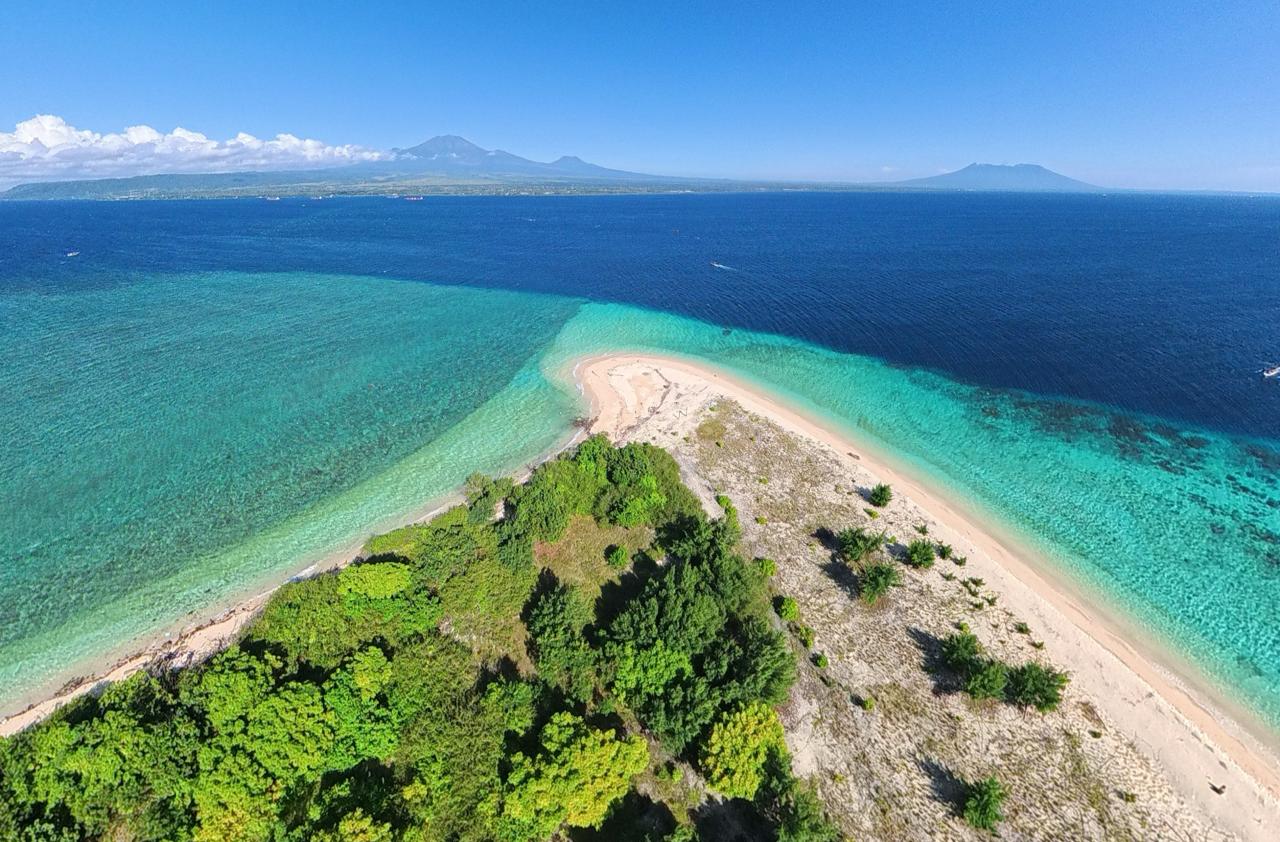
Quick answer
Snorkeling at Tabuhan Island starts at Bengkak, Wongsorejo, Banyuwangi Regency, East Java, Indonesia — the island itself has no road access and is reached by boat. Aim to arrive between 07:00 and 11:00 for clearer water and calmer sea.
Pulau Tabuhan has no residents, no jetty and no ticket booth — a low crescent of white sand in the Bali Strait that visitors reach only by boat. That single detail answers most of what people mean when they search snorkeling banyuwangi dimana: the water is not at the end of a road. The launch point is the fishing hamlet of Bengkak, in Wongsorejo, at the northern edge of Banyuwangi Regency, East Java. Outrigger boats leave from the beach there, cross a channel worked by Javanese and Balinese fishermen for generations, and anchor over the fringing reef on the island's sheltered side. The reef is close to shore in nautical terms, yet unreachable on foot. Geography explains the rest. The strait between Java and Bali funnels current through a narrow gap, and Tabuhan sits in its lee, which is why the island draws snorkelers and, in windier months, kitesurfers to the same stretch of shallows. Nearby, Bangsring Underwater — known locally as Bunder — runs a community reef nursery on the mainland, and Pulau Menjangan lies further north inside Bali Barat National Park. Travellers comparing tempat snorkeling di Banyuwangi usually end up weighing these three against each other. The island is the furthest from shore and the least developed: shade is thin, there are no warungs, and nothing is sold on the sand. Anything a visitor needs — mask, fins, drinking water, the boat itself — is arranged before departure from Bengkak. That emptiness is the appeal and the planning problem in equal measure. So the practical answer is a two-part one: a village address on the mainland, and an island that exists only on the water side of it. Morning is when the arrangement works, since clarity holds and the sea stays flatter before the afternoon breeze builds across the strait, a pattern local boat crews plan around rather than fight. Visitors arriving independently should expect to negotiate a charter on the beach; those who would rather fix the boat, the gear and the crossing time in advance can book a Pulau Tabuhan snorkeling trip through this site's booking pages, where real operators and their departure slots are listed. Either way, the question of snorkeling banyuwangi dimana resolves to the same coordinates: Bengkak, Wongsorejo, with the reef a short crossing beyond the breakers.
“Pulau Tabuhan has no residents, no jetty and no ticket booth — the water is not at the end of a road.”
The best arrival window for snorkeling at Tabuhan Island is 07:00–11:00. This period provides optimal water clarity and calmer sea conditions before afternoon winds increase.
Stable, dry, 27–30°C
Expect low rainfall and minimal wave activity during these months.
Humid, 26–31°C
Occasional rain showers occur, but morning clarity remains high.
—
Arrival within the 07:00–11:00 window ensures the clearest visibility and safest conditions.
Verdict: For the best experience, plan your visit during the dry season from May to September, arriving between 07:00 and 11:00.
Tabuhan Island does not charge a formal entrance fee for visitors. Total expenses for your trip are restricted to independent arrangements for boat charters and equipment rentals.
Tabuhan Island offers distinct underwater environments characterized by shallow coral gardens and diverse marine topography. These zones provide clear visibility for observing the local reef ecosystem.
A steep underwater drop-off home to branching Acropora corals and vibrant reef fish populations.
Swim along the eastern edge during the morning for highest clarity.
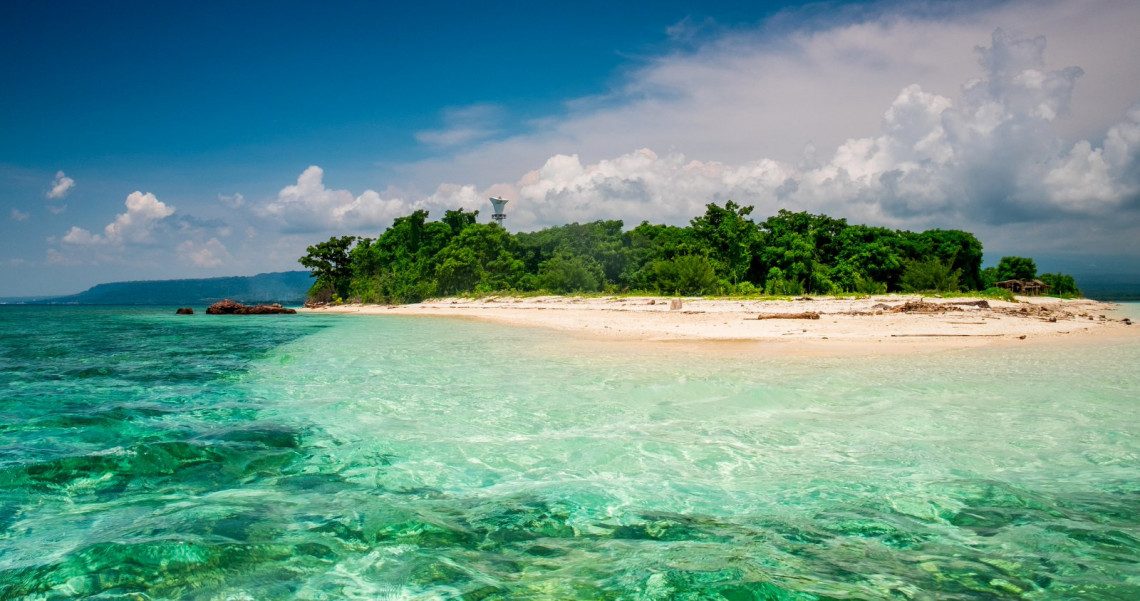
A protected shallow area featuring extensive hard coral formations and sea anemones.
Stay within the marked shallow zones to avoid damaging the reef.
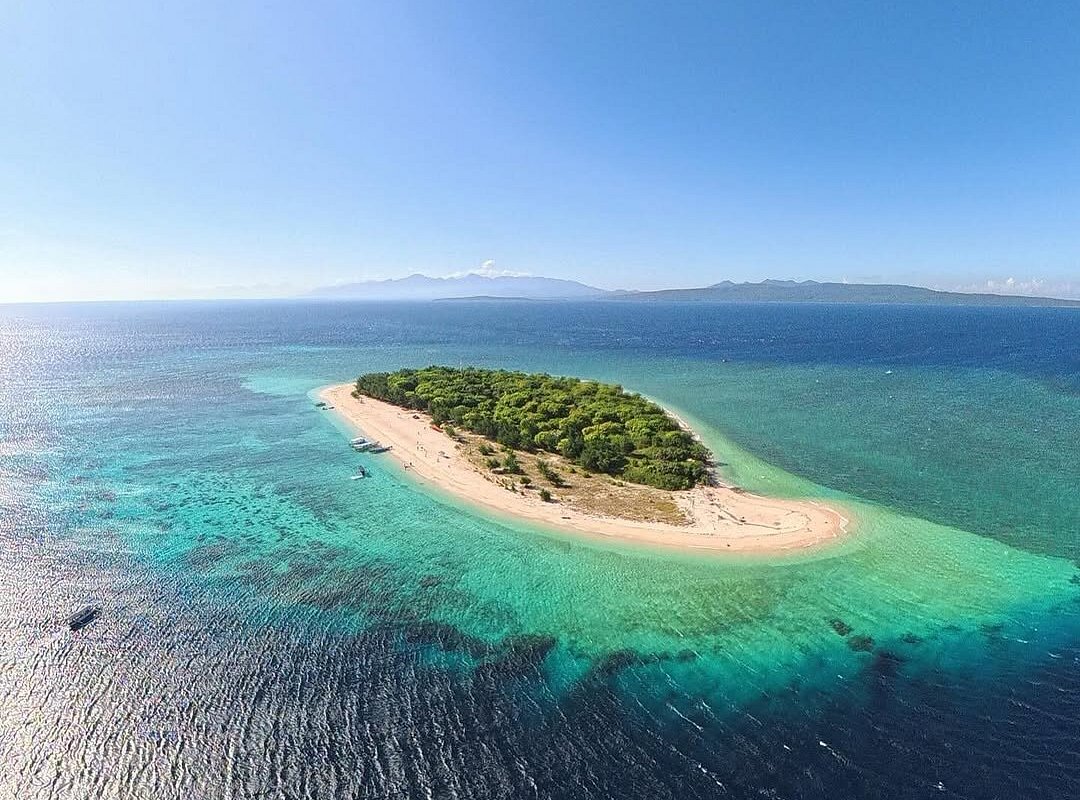
Expansive areas of white sand interspersed with isolated coral bommies and small marine life.
Look for blue-spotted stingrays resting partially buried in the sediment.
The channel between islands featuring stronger currents and occasional sightings of larger pelagic species.
Keep close to the reef edge to monitor current strength levels.
Follow these practical guidelines to ensure a safe and responsible experience while exploring the marine environment of Tabuhan Island.
Test your mask and snorkel seal on the boat before entering the water to ensure no water leaks during your swim. Secure loose straps to prevent equipment loss in currents.
Apply mineral-based sunscreen at least twenty minutes before entering the water to minimize chemical impact on the coral ecosystem. Avoid products containing oxybenzone, which harms delicate marine life.
Practice controlling your breathing to maintain neutral buoyancy and avoid contact with the reef. Touching or standing on coral causes permanent damage to the structural growth of the colony.
Always stay within sight of your boat captain and observe the movement of surface debris to track current direction. If you feel tired, float on your back and signal for assistance immediately.
Store your electronics and dry clothing in a high-quality waterproof dry bag to protect them from sea spray during the boat crossing. Ensure the bag is properly sealed before departure from the mainland.
Everything you need to know about snorkeling banyuwangi dimana
Tabuhan Island is a premier destination for those asking snorkeling banyuwangi dimana, offering clear waters and diverse marine life. This island is widely considered a top site for underwater exploration in East Java.
Pack essential gear such as reef-safe sunscreen, a dry bag for electronics, and a towel for after your swim. While most operators provide standard masks and fins for those searching for snorkeling banyuwangi dimana, bringing your own mask can ensure a better fit.